Facebook has made some recent changes (what’s new) but the most important change was buried right at the bottom of the announcement:
You must not incentivize people to use social plugins or to like a Page. This includes offering rewards, or gating apps or app content based on whether or not a person has liked a Page. It remains acceptable to incentivize people to login to your app, checkin at a place or enter a promotion on your app’s Page.
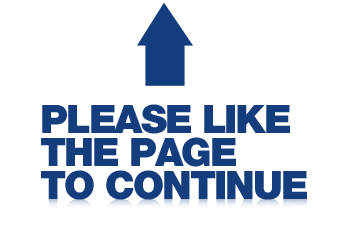
An example of a like-gate on a facebook page tab
What does this mean in practice? Well, in the past fan pages used to build apps with a like-gate (or click like to reveal) in order to motivate the public to become page fans before they could get access to more information, such as competition details, promotion details, giveaways and more. This would ensure that only page fans would be able to access this information and of course benefit from it. This was a common fan-building tactic, but has increasingly been losing popularity as page admins sought ways to rather engage with existing fans more effectively than continually attract new fans.
Several years ago, Facebook used to have a feature where an entire page could be like-gated, so page fans could only see page posts once they liked the page. This was also discontinued (thankfully).
How does this impact you? Obviously going forward as from Nov 5, 2014, you will no longer be able to use the like-gate feature on your page tabs. For marketers, this is a fairly important factor to take into consideration. We always found like-gates an effective way to build relevant page fans, because we would encourage our clients to offer relevant (to the brand) incentives to motivate the like-gate clicks. That means the public who became fans ultimately clicked because they were interested in what the brand had to offer, and would by default, also be interested in what the brand had to say via newsfeeds on the page.
Unfortunately, marketers like ourselves are in the minority on facebook. There has been pages who would blatantly use the like-gate to just build “any” fans, offering prizes not relevant to the brand at all, such as iPads, holidays, etc. The page fans that results from these kind of incentives really only clicked on the like-gate to stand a chance to win, not really because they wanted to engage with the page newsfeed posts.
This brings us to why facebook decided to take this step, and we get this straight from facebook:
To ensure quality connections and help businesses reach the people who matter to them, we want people to like Pages because they want to connect and hear from the business, not because of artificial incentives. We believe this update will benefit people and advertisers alike.
Facebook tells us that the average user would see 1,500 stories in a given day. Facebook’s algorithms bring that number down to a much more manageable 300. In order for Facebook to be a desirable place for users, the best and most relevant content needs to be surfaced.
Facebook uses many signals to determine what users see. But like-gating confuses those signals. Does a user really want to see content from that brand? You can see from what I said above why this is not always clear. Users may have clicked on a like-gate because of an attractive incentive, and not because of a need/want to engage with the brand. This might mean in practice that the user is now “forced” to engage with content via personal newsfeed that is not relevant or interesting to the user. This might harm the user experience. A negative user experience results in a user spending less time on facebook, which ultimately negatively impacts paying advertisers on facebook. The implied reason here is fairly obvious – advertisers need users to be online in order to target them.
In the famous words of Douglas Adams: Don’t Panic! Yes, it is still important to increase page likes. There are definitely a lot of ways to effectively build page fans, and more specifically page fans who WANT to engage with your brand. The end of like-gating is actually a very positive move. Marketers and page admins will just have to get more creative with their methods. This should also mean an overall improvement on page post quality on facebook. And you can still use third-party apps to collect data such as email addresses from page fans – which means building a database for emailing promotions and newsletters.
Speak to us at Creative Touch – Be Sociable about your company’s social media requirements, and more specifically how we can assist with your facebook page strategy.
 faikonta