Physical distancing, Social Togetherness #LockDownSA Day 15

Day 15 LockDown

10 April 2020

2003 cases
Recovered: 45
Deceased: 18

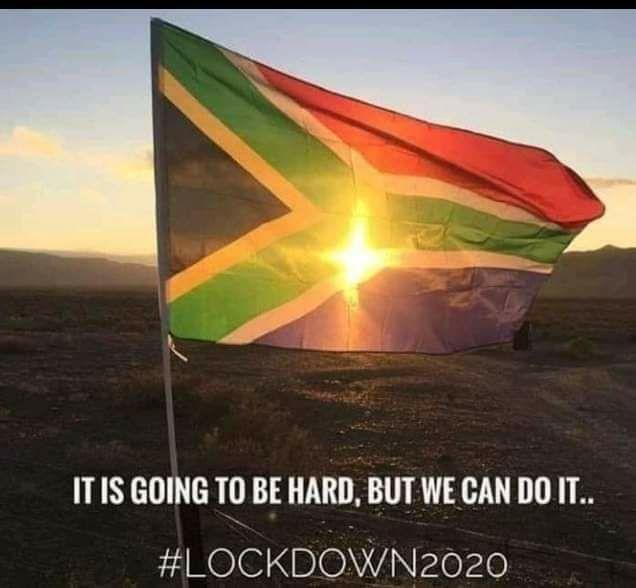
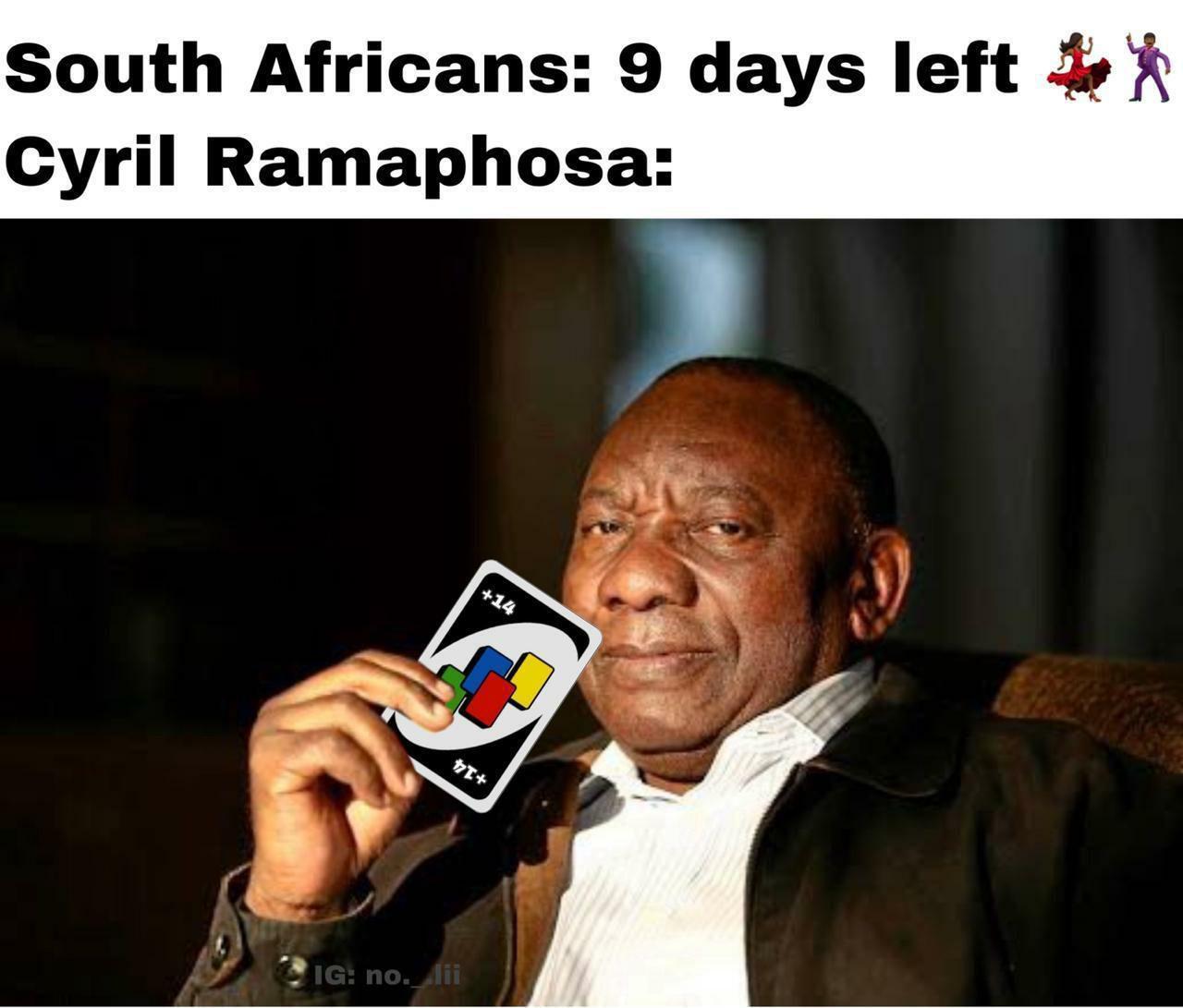
It is Good Friday today – a time of hope, of recovery and of rebirth. This is a part of the message conveyed by our President, Cyril Ramaphosa, when he addressed us as a nation last night and announced that the lockdown is going to be extended by another three weeks. This is a message that we desperately need in this time of insecurity and fear. We shall recover, says our President. We shall overcome.

There was a time, as a teenager, when I worked in a town called Sterkspruit at the Cash & Carry on Saturdays for some extra cash. Our country was in turmoil. We had international sanctions against us. The army had to accompany us to protect us against flying bullets, necklacing, protests, molotov cocktails thrown at moving vehicles and more. It was like driving through a war zone. Our country was being reborn, with rights and equality for all. It was a difficult time, and yet we made it.

Now, we are in this crisis together as a global people. The virus is everywhere, affecting everyone. I support our President, and the hard decisions he has to make. I just have to ask – what about when we reach the end of April? What about even later, towards June? The virus will still be around. I read an article that claims intermittent physical distancing will still be around until at least 2020. According to this article:

With much of the world struggling financially and mentally in self-isolation and lockdowns, people around the world are undoubtedly looking forward to the end of such unprecedented measures.

But according to analysis by Harvard researchers, the best strategy for beating COVID-19 probably isn’t one extended period of physical distancing, but several staggered periods, with time in between to allow immunity to take hold in the population.

The research posits that this strategy could “avoid overwhelming hospitals while allowing immunity to build in the population.”

Extending this lockdown for longer and longer will have a devastating and difficult to recover from effect on our economy. Businesses are forced to close. Debts can be paid, rent, credit cards, vehicles, property – the list is endless. The Rupert and Oppenheimer funding initiatives, has in the interim closed down temporarily because applications reached capacity. The government funding applications seems biased towards specific business types, and not all businesses currently in trouble qualify to apply. Here’s a list of some of the assistance available: https://smesouthafrica.co.za/the-small-business-covid-19-survival-guide-where-to-get-help/

I don’t have any answers. What I do know, is that we’ve been through hectic periods before and survived. We cannot just give up. Giving up means we’ve already lost.

The Speech:

President Cyril Ramaphosa: Extension of Coronavirus COVID-19 lockdown to the end of April

9 Apr 2020

My Fellow South Africans,

At midnight tonight, it will be exactly two weeks since our country entered into an unprecedented nation-wide lockdown to contain the spread of the coronavirus.

During the course of these last two weeks, your lives have been severely disrupted, you have suffered great hardship and endured much uncertainty.

We have closed our borders to the world, our children are not in school, businesses have closed their operations, many have lost their income, and our economy has ground to a halt.

And yet, faced with such daunting challenges, you, the people of South Africa, have responded with remarkable patience and courage.

You have respected the lockdown and largely observed the regulations.

You have accepted the severe restrictions on your movement and many of the daily freedoms that we all take for granted.

You have done so because you have understood the devastating effect that this disease will have on the health and well-being of all South Africans unless we take drastic measures.

You have also understood that we must do everything in our power to prevent the massive loss of life that would occur if we did not act.

For your cooperation, for your commitment and above all for your patience, I wish to thank you personally.
I wish to thank you for reaffirming to each other and to the world that we South Africans are a people who come together and unite at moments of great crisis.

Earlier today I had a most productive meeting with our Premiers about the work they are doing in provinces and districts to stop the spread of the virus.

I also had a discussion with the leaders of all our political parties represented in Parliament, who collectively pledged their support for the efforts that are being made to combat the pandemic.

Through this we are demonstrating that we are able to work together across party lines to confront a common threat.

Since I announced the lockdown just over two weeks ago, the global coronavirus pandemic has worsened.

Two weeks ago, there were 340,000 confirmed coronavirus cases in the world.

We now have over 1.5 million confirmed cases worldwide.

Over 90,000 people across the world have died from this disease.

The health systems of many countries have been overwhelmed.

Even the most developed economies in the world have not had the means to treat the many thousands who have fallen ill.

They have struggled to find the medical supplies and personnel necessary to deal with the pandemic.

The devastating effect of this is that many people have died.

The global evidence is overwhelming.

It confirms that our decision to declare a national state of disaster and to institute a nation-wide lockdown was correct and it was timely.

While it is too early to make a definitive analysis of the progression of the disease in South Africa, there is sufficient evidence to show that the lockdown is working.

Since the lockdown came into effect, the rate at which new cases have been identified here in South Africa has slowed significantly.

From 1,170 confirmed cases on the 27th of March, the number of confirmed cases today stands at 1,934.

In the two weeks before the lockdown, the average daily increase in new cases was around 42%.

Since the start of the lockdown, the average daily increase has been around 4%.

While we recognise the need to expand testing to gain a better picture of the infection rate, this represents real progress.

The measures we have taken – such as closing our borders and prohibiting gatherings – as well as the changes that we have each had to make in our own behaviour, have definitely slowed the spread of the virus.

But the struggle against the coronavirus is far from over.

We are only at the beginning of a monumental struggle that demands our every resource and our every effort.

We cannot relax. We cannot be complacent.

In the coming weeks and months, we must massively increase the extent of our response and expand the reach of our interventions.

We are learning both from the experiences of other countries and from the evidence we now have about the development of the pandemic in South Africa.

Both make a clear and compelling case to proceed in a manner that is cautious and properly calibrated.

Simply put, if we end the lockdown too soon or too abruptly, we risk a massive and uncontrollable resurgence of the disease.

We risk reversing the gains we have made over the last few weeks, and rendering meaningless the great sacrifices we have all made.

Fellow South Africans,

This evening, I stand before you to ask you to endure even longer.

I have to ask you to make even greater sacrifices so that our country may survive this crisis and so that tens of thousands of lives may be saved.

After careful consideration of the available evidence, the National Coronavirus Command Council has decided to extend the nation-wide lockdown by a further two weeks beyond the initial 21 days.

This means that most of the existing lockdown measures will remain in force until the end of April.

We will use the coming days to evaluate how we will embark on risk-adjusted measures that can enable a phased recovery of the economy, allowing the return to operation of certain sectors under strictly controlled conditions.

We will also use this time to ramp up our public health interventions.

We did not take this decision to extend the lockdown lightly.

As your President, I am mindful of the great and heavy burden this will impose on you.

I am keenly aware of the impact this will have on our economy.

But I know, as you do, that unless we take these difficult measures now, unless we hold to this course for a little longer, the coronavirus pandemic will engulf, and ultimately consume, our country.

We all want the economy to come back to life, we want people to return to work, we want our children to go back to school, and we all want to be able to move freely again.

But our immediate priority must remain to slow down the spread of the virus and to prevent a massive loss of life.

We must do this while preventing our economy from collapsing and saving our people from hunger.

We are determined to pursue a path that both saves lives and protects livelihoods.

Our strategy is made up of three parts:

–    Firstly, an intensified public health response to slow down and reduce infections.

–    Secondly, a comprehensive package of economic support measures to assist businesses and individuals affected by the pandemic.

–    Thirdly, a programme of increased social support to protect poor and vulnerable households.

As government, together with our many partners, we have used this lockdown period to both refine and intensify our public health strategy to manage the coronavirus.

Our approach is to screen in communities and test people in hospitals, clinics and mobile clinics, to isolate those who are infected, and to care for those who are ill in our health facilities.

We need to do this intensively and systematically.

We have used the last week to develop our screening and testing methodology in various parts of the country.

Over the next two weeks, we will roll out the community screening and testing programme across all provinces, focusing in particular on highly vulnerable communities.

Those who test positive and cannot self-isolate at home will be isolated at special facilities that have been identified and are now being equipped.

At all times, we will observe the human rights of all people.

Let us not discriminate against people who test positive.

To ensure that our strategies are effectively coordinated and to ensure they are informed by comprehensive, real-time data, we have established the COVID-19 Information Centre at the Council for Scientific and Industrial Research.

This world-class centre will keep track of all screening, testing, isolation and hospitalisation throughout the country.

It is already identifying infection hotspots.

It is following the spread and the severity of the disease, and enabling us to move our focus and resources where they are most needed.

We are working with mobile telephony companies and other institutions to locate those people who have tested positive for the virus and those with whom they have been in contact.

As part of the second element of our strategy, we have put in place various measures to provide support to businesses in distress, to workers facing loss of income, to the self-employed and to informal businesses.

Many of these measures are being taken up by both large and small businesses.

The Unemployment Insurance Fund has set aside R40 billion to help employees who will be unable to work, as part of the effort to prevent jobs losses as a result of the lockdown.

To date, it has paid out R356 million.

I would like to applaud all those employers who have continued to pay their workers during this difficult time, as well as those employers who are working with unions and government to assist their employees to access these benefits.

I would like to call on all businesses to continue to pay their suppliers, to the extent that they can, to ensure that those suppliers can also continue to operate and pay their staff and suppliers.

In this respect, I would like to appeal to all large businesses not to resort to force majeure and stop paying their suppliers and rental commitments, as such practice has a domino effect on all other businesses dependent on that chain.

We must do all we can to ensure that the underlying economy continues to function and to focus support on those small businesses that really need them.

The Industrial Development Corporation has set aside R3 billion for the procurement of essential medical supplies.

It has already approved R130 million in funding and expects to approve a further R400 million in the coming week to companies who applied for funding under this special facility.

The Small Enterprise Finance Agency has approved the postponement of loan repayments for a period of 6 months.

The small business debt relief and business growth facilities are currently adjudicating applications for assistance.

There is a total of R500 million available in support.

Government has reprioritised R1.2 billion to provide relief to smallholder farmers and to contribute to the security of food supply.

In addition to these expenditure measures, the Reserve Bank has also lowered interest rates and has taken measures to inject liquidity into the economy.

One of the biggest challenges that all countries in the world are facing is the shortage of medical supplies to fight the coronavirus.

As a country we have had to rely on our own capabilities to supply these goods, but have also had to source supplies from other countries.

In recent weeks, we have seen a massive mobilisation of South African business, labour, academics and government agencies to build the stocks of medical and other equipment needed to fight coronavirus.

We have, for example, established the National Ventilator Project to rapidly mobilise the technical and industrial resources of our country to manufacture non-invasive ventilators, which can be used to support patients afflicted with the disease.

Other projects are focusing on increasing the local manufacture of protective face masks, hand sanitisers and pharmaceutical products which can be used by health care workers and the public at large.

As the third part of our coronavirus response, we have been working to provide basic needs such as water and to maintain the reliability of food supply to the poorest South Africans.

We have also expanded the provision of food parcels and we’ve provided spaza shops with financial support.

To date, government has delivered over 11,000 water storage tanks to communities in need across the country, and many of these have been installed.

In addition, 1,000 water tankers have been provided for the delivery of water.

Several homeless people have been accommodated in 154 shelters.

I am pleased to report that the Solidarity Fund – which was established to mobilise resources from companies, organisations and individuals to combat the coronavirus pandemic – has so far raised around R2.2 billion.

It has already allocated around R1 billion to buy sterile gloves, face shields, surgical masks, test kits and ventilators.

It will also allocate funds for humanitarian relief to vulnerable households, in addition to the R400 million set aside by government for Social Relief of Distress grants.

All of these efforts, while necessary and commendable, will not be sufficient on their own to cushion the poor from the impact of this pandemic.

Nor will they provide the relief that businesses and their employees require.

Additional extraordinary measures will need to be put in place in the coming weeks and months to absorb the sudden loss of income to both businesses and individuals.

We are in a situation that demands swift action and exceptional methods, a situation that demands innovation and the mobilisation of every resource that we have.

Cabinet will be developing a comprehensive package of urgent economic measures to respond both to the immediate crisis and to the severe economic challenges that we must confront in the months ahead.

Further announcements on the next phase of our economic and social support strategy will be made in due course.

An essential part of our response to this emergency is the principle of solidarity.

From across society, companies and individuals have come forward to provide financial and other assistance.

In support of this effort, we have decided that the President, Deputy President, Ministers and Deputy Ministers will each take a one-third cut in their salaries for the next three months.

This portion of their salaries will be donated to the Solidarity Fund.

We are calling on other public office bearers and executives of large companies to make a similar gesture and to further increase the reach of this national effort.

In this regard, we welcome the donation of 20,000 cellphones by Vodacom for health workers that will be involved in screening and tracing in communities.

As we have stressed before and we will stress once again, our struggle against the coronavirus requires fundamental changes in behaviour from all of us.

Until we have contained the coronavirus, the same rules remain.

Shaking hands, hugging, sitting close to each other and other forms of physical contact enable this virus to be transmitted, and must be avoided.

We must continue to wash our hands regularly and thoroughly using water and soap or sanitiser.

To stay safe and to keep others safe we must continue to respect whatever restrictions that are placed on our movement and on our daily lives

Over the past two weeks, I have been speaking to other African leaders about a coordinated continental effort to combat the coronavirus and support our people and our economies.

We have established an AU COVID-19 Response Fund to mobilise the resources necessary to support this effort.

We have reached out to world leaders, even as they struggle with the pandemic in their countries, to assist the continent with essential medical supplies and to support a comprehensive stimulus package for Africa.

As we confront this disease in our country, we are part of a great global effort that is bringing humanity together in ways that many never thought possible.

For billions across the world, and for us here in South Africa, the coronavirus pandemic has changed everything.

We can no longer work in the way we have before.

As government, as NGOs, as political parties, as large corporations and small businesses, as financial institutions, as community organisations and as South Africans we will need to adapt to a new reality.

As we emerge from this crisis, our country will need to undergo a process of fundamental reconstruction.

To do so, we will draw on our strengths: our abundant natural resources, our advanced infrastructure, our deep financial markets, our proven capabilities in information and communication technology, and the depth of talent among our people.

We will draw on our proven capacity for innovation and creativity, our ability to come together in a crisis, and our commitment to each other and our common future.

We will learn from global experience and the best scientific evidence, but we will craft a uniquely South African response that uses our own capabilities as a nation.

This weekend is a sacred time for many South Africans.

For many, it will be difficult to spend this time without their friends and family.

I ask that you keep in your thoughts tonight all in our land who are vulnerable, destitute and alone.

I ask that you give what you can to alleviate their burden.

To contribute to the Solidarity Fund in any way you can.

This is a difficult time for us all.

Yet the message of Easter is one we carry in our hearts tonight.

It is the message of hope, of recovery and of rebirth.

As we walk this road together, as we struggle to defeat this pandemic, we remain strong and united and resolved.

Much is being asked of you, far more than should ever be asked.

But we know that this is a matter of survival, and we dare not fail.

We shall recover.

We shall overcome.

May God bless South Africa and protect her people.

I thank you.
Physical distancing, Social Togetherness #LockDownSA Day 8

Day 8 LockDown

3 April 2020

1462 cases
Recovered: 31
Deceased: 5

When lockdown started, we were already as a family semi-locked down. The schools closed a couple of days before, and I stayed away from public spaces and with the twins as much as possible. It seems like so far ago, and I remember getting my mindset all optimistic and positive about all the unfinished projects that we can finally complete. New hobbies to tackle, maybe learn a new language. An opportunity for mental self-enrichment and positive change.

Although we’ve done some of these, for instance I’ve become pretty proficient at crocheting circle boleros, and have made two child-sized ones already since lockdown, we’ve done some craft activities, we finally got rid of a massive and very ugly cement fountain in the middle of the staircase (next to it, like an atrium), I’m getting pretty creative in the kitchen as well, surpassing even my own expectations, it still feels as if we’re treading water. Or treading molasses. With no land in sight. Today again there was mention of maybe extending lockdown.

This morning, as I tried to figure out how to use a never before used and several years old Kenwood Mickey Mouse Slush Puppy maker (I have no idea why we own it, why we bought it, and can for the life of me not remember wanting something so frivolous in my kitchen), I was feeling an overwhelming wave of hopelessness. It is a stupid little machine, and really does not seem all that hard to figure out, but it hit me right between the eyes that there is nobody I could quickly call and ask to come over to show me. I looked online, and there was for once not one helpful video on YouTube. Eventually I figured out how to take the lid off, I chucked some ice cubes into the cavity, added some red food colouring, pressed a button, and added a couple of spoons of Oros to the shavings that came out to vaguely resemble the twins’ favourite order at John Dory’s. Needless to say, they loved it. I feel as if I survived a boxing match. Never promise children anything if you are not 100% sure you can deliver – a lesson I keep on learning.

Yesterday was a tough day for me. I write these blogs in the morning (sort of an eat that frog thing), which means I look back on a day before mostly. My mother, with whom I only recently reconciled, was admitted to hospital for a biopsy from her left breast. And with all the backlog on Covid-19 tests, apparently she’ll only have her results in two to three weeks. My mother was supposed to come and visit us now, during Easter, and obviously the lockdown put a stop to that. She had a stroke a couple of weeks ago, and my brother called me in an absolute state. It took me a while to just calm him down and explain that a stroke can be managed. The urgent biopsy on top of that was just a bit much for him. He is very close to my mother, always has been. I am the older of the two of us. My mother had undiagnosed postnatal depression when I was born, and it was tough being raised by her. There was a lot of abuse and rejection, and I was semi-removed from her care and put in the school hostel during the week at the age of 10, and eventually completely removed and taken to a different town altogether when I turned 15. Social Services was involved for most of my life as a child, either to feed us, give us clothes, provide counselling or take care of me until the day I turned 18. My mother seems not to remember much of those years, and I have moved on. Life is short, and we can either let our past overwhelm us, or we can learn from it.

Last night I had an overwhelming urge to watch a couple of natural disaster movies. We ended up watching The Day After Tomorrow, and 2012. Suddenly the premise of these movies seemed very real to me. I never before this virus thought that a government official would actually in real life say something like: This would never happen to us. This is happening, very much, to all of us. And as a South African, I am proud of the decisive action our President is taking. I have no idea where this action is taking us as a nation, and what it will mean for our business and many other small businesses, but action is better than a head in the sand approach.

Today I am grateful that I am surrounded by so much love. I have made peace with who I am, who I was and my life choices. If given a choice, there is nothing I would do differently in the almost 45 years on this planet – all the actions, all the choices, everything, has made me who I am and brought me to this day. Life has been an interesting ride so far, and if all is not ok, it is definitely not the end yet.


Physical distancing, Social Togetherness #LockDownSA Day 7

Day 7 LockDown

2 April 2020

1 380 cases
Recovered: 31
Deceased: 5

Day 7 today, a whole week of the surreal new normal. Sometimes I feel detached, as if I am watching myself in a movie, or if I am having a dream from which I can wake up any minute.

When I studied NLP, one of the basic foundations we were taught, is that it takes 21 days to rewire your brain and your thought patterns. Initial lockdown is planned to be 21 days. I can’t help but wonder what we are going to be like as a people when we emerge from our confinement after all this. What will the changes mean in our actions hereafter?

For me, lockdown is much appreciated extra time with my children and my pets. I have never had the opportunity to just sit with my twins, with nowhere to rush off to, no meeting, no project, no photoshoot, no office. Just sit with them and read, or do an activity. Also my pets – just to share time and love with them. My cats don’t quite know what to do with me around them all day, but my dogs are having a ball.

I find that the office is becoming less and less of a reality. My daughter asked me this morning why I am wearing my sleepy clothes. “It is wakey time, Mommy, you must put on your wakey time dress.” I haven’t worn “wakey time” clothing since I had to go shopping for us for essentials a few days ago. And even then, I just put on what I had to, because I needed to take it off immediately when I got home anyway to sanitise myself before coming into our main living areas.

Work for me now is getting the motivation together to close my home office door so that I can focus as much as I can on whatever my tasks for the day is. I find I have to check a few times to make sure where I am in the week, as the days sort of just flow into each other. I limit my time on social media, because the negativity is deafening. There is nothing I can do about the rule-breakers, I can only focus on doing the best I can to obey the regulations.

I look around me, at the enormous space we have, and I think of how we lived when I grew up. We were two kids and four adults (my mom, my aunt and my grandparents), staying in a two-bedroom flat in someone’s backyard. We were lucky, as the main house’s back gate was our front gate, and we looked upon a street. We shared a bedroom with my mother, and my aunt slept on the couch in the lounge. Sometimes we’d swop if I fell asleep on the couch. Sometimes I just wanted a bit of privacy, and I’d pretend to be asleep. My grandparents would turn the couch around with me on it, so that the back of it was between me and the television set. But I grew up listening to Dallas. I always had a bit of a soft spot for JR Ewing.

Drinking water meant going out to the yard and hanging onto the pump arm. Up and down, up and down, with a trickle of water slowly filling a bucket. Hot water meant a fire in the donkey. It got really really hot, and we learnt quickly not to touch it or go close to it. Cleaning it out the next day before we wanted to take a bath was really a huge mission. Sometimes there would still be glowing red coals. We were not allowed to put water on it, and had to just leave it to cool down naturally.

My grandfather did not handle small spaces well. He’d pace up and down on the sidewalk in front of the gate, singing silly little ditties to pass the time. It irritated my grandmother beyond measure, and she’d call him to come inside repeatedly. He would reluctantly come and sit on his favourite armchair, and call me over to listen to some music with him. Demis Roussos, Bobby Angel, Nana Moskourri – he lovingly handled his records, and allowed me to put them back into their sleeves when done. Sometimes he’d tell us a story, but he would never answer any questions about the war. Those stories were not for children, he insisted. After school came out, we’d run home and sit at his feet and listen to stories on Springbok Radio. My favourite was “Wolwedans in die Skemer”.

Today, when my children want fizzy drinks or coffee, for me it is a no-brainer and an obvious no. Yet, when we grew up, our go-to drinks were either water from the pump outside, or hot coffee from the Hart kettle on the anthracite stove. The coffee was my grandfather’s pride and joy. He’d clean the filter bag once a week, but the rest of the week, the kettle stood in its spot, and the water would just get topped up when it got low, and more and more coffee added to the filter bag. That coffee was strong as anything. Those are the smells I will always associate with my grandfather – Koffiehuis and Rum&Maple tobacco for his pipe.

My aunt, well, that’s another story all by itself. She was allegedly dropped on her head as a baby, and she never quite recovered. She’d sit and hum under her breath, rocking like a baby, or do some sort of craft, like macrame or crochet. The items she made were gorgeous, and she’d give them away as gifts to everyone she saw. She loved hugs, and she didn’t understand the concept of personal space. She really wanted to be very close to anyone. When she walked, it was with a funny gait, with wide legs and long strides, and she’d rock side to side as she moved forward. I’m ashamed to admit that I never understood her as a child, and I felt humiliated that everyone knew she was my aunt. People would point at her and laugh when she went outside.

Here, today, I am grateful that we are able to be together during lockdown, in a comfortable space, with enough to eat and more than enough to do. I am grateful that we are all healthy, whole and able to do what we want within the perimeter of our property. I am grateful that we have a library full of books downstairs, internet connectivity to access information and entertainment, and a pantry stocked with the necessary items to have fun experimenting in the kitchen. We can do this.


Physical distancing, Social Togetherness #LockDownSA Day 6

Day 6 LockDown

1 April 2020

1 353 cases
Recovered: 31
Deceased: 5

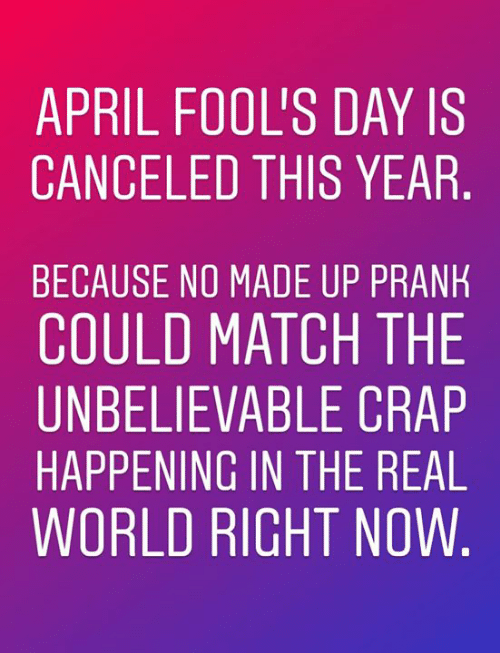
Today is April 1st, traditionally at our offices an opportunity to find a close enough to reality and believable, yet way out there narrative that turns out to be a huge joke.

But today I do not feel funny at all. I considered staying offline today, because some April Fools jokes trigger me at the best of times. After three miscarriages the fake pregnancy announcements are everything but funny. And today, with our company’s future and the future of our team that works for us so very uncertain, I wasn’t looking forward to some of the jokes people consider funny.

For instance, there is a joke floating around about a government grant payout for every person over 18. How is potential income funny in a time when so many breadwinners are unable to put even the necessities on the table?

None of our agency clients have any “funnies” scheduled for today. Best is to be sensitive right now, and we already learnt with our Earth Hour posts that people have no tolerance at the moment for anything that upsets the delicate equilibrium that has become our existence.

I find the profiteering hard to understand during these times. It is one thing to live in a free market economy, when goods and services are readily available, and there is choice on the consumer’s side regarding purchases. But there are shortages and real needs, and yet essential products at some stores are price-hiked to unbelievable profit margins.

For me, keeping busy helps staying sane. I have not spent so much time in a kitchen since I owned a restaurant many years ago. Our fridge is packed to capacity with baked goods, with cooked meals, with snacks. I am doing my best to control screen time for the twins, by doing craft activities during the day and also just leaving them to get bored and find stuff for themselves to do. I am crocheting and reading, I am painting and building puzzles. I don’t do well with so much leisure time – I have always been a bit of a workaholic. It feels as if I am slacking, as if I should be doing more to work on our business.

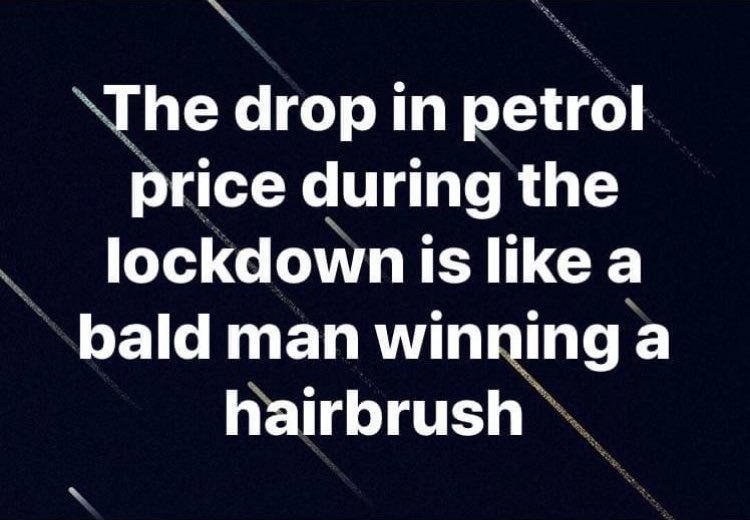
On a different note, apparently the fuel price dropped today (timing immaculate as per usual) with an unprecedented R1.70 per litre. I found myself musing if I should go fill up my car, and then thought again…


Physical distancing, Social Togetherness #LockDownSA Day 5

Day 5 LockDown

31 March 2020

1 326 cases
Recovered: 31
Deceased: 3

Working from home seems like a dream come true, but in reality it comes with a plethora of challenges. First and foremost my twins. They are not used to being at home all the time, and certainly not having mommy at home all to themselves all the time. They are demanding, noisy, playful and want attention. All. The. Time.

It is challenging to call clients with loud children’s voices in the background. I am struggling to hear my clients, and the twins don’t understand when I am busy on the phone, I am working. They want to be part of the conversation. “Mommy, who are you talking to?”

It is challenging to work on my machines – the twins want to type on the keyboard, watch anything on either my phone or youtube, and generally don’t want me in the office at all. At home usually means playtime or storytime, and they just don’t get the shifted routine.

It is challenging to focus to do research for ourselves, on behalf of clients, on current solutions, on future solutions, on any solutions. The twins are relentless in their pursuit of my time, and my attention.

Then, my cats and dogs. Not as challenging – the cats at least are pretty soundless and I’ve now confined them to the catio, but the barking! Between the twins shouting and the dogs barking, I am trying to find a way to have conference meetings that have some sort of structure to them.

It is very challenging to have to go out (have now been out twice, feeling very badass and as if I need a German Shepherd by my side, and a stick of some sort), because I have never gone out without taking the twins with me, and now I have to leave them behind, tearful and angry at me.

Last night our President addressed us again as a nation. He looks tired, but he is strong in his resolve. He pleads that we stick to the lockdown rules, that we hold the line. In our country, although some of us have been staying home for longer than lockdown (our children’s school closed some time ago already, and I’ve only been going out when necessary since then), our government payouts only happened yesterday, which means our actual countrywide lockdown only started today. Privilege is even more apparent now than ever, and it is heartbreaking.

The Covid-19 spread is growing exponentially, which is really really hard to understand because of the speed at which it grows. The best way the mind-boggling figures make sense to me, is when I think of an old fable I read many years ago. I found a recent explanation of it here. A great emperor offered the inventor of chess any reward that he wanted. The inventor asked that a single grain of rice be placed on the first square of the chessboard. Then two grains on the second square, four grains on the third, and so on. Doubling each time. The king, baffled by such a small price for a wonderful game, immediately agreed, and ordered the treasurer to pay the agreed upon sum. A week later, the inventor went before the king and asked why he had not received his reward. The king, outraged that the treasurer had disobeyed him, immediately summoned him and demanded to know why the inventor had not been paid. The treasurer explained that the sum could not be paid – by the time you got even halfway through the chessboard, the amount of grain required was more than the entire kingdom possessed. So initially, Covid-19 infection figures look deceptively small, but with exponential growth, it is tough to guess which way the graph is going. Here’s a pretty cool video that illustrates how it works.

And then lastly for today, there’s this:

The acclaimed Italian novelist Francesca Melandri, who has been under lockdown in Rome for almost three weeks due to the Covid-19 outbreak, has written a letter to fellow Europeans “from your future”, laying out the range of emotions people are likely to go through over the coming weeks.


I am writing to you from Italy, which means I am writing from your future. We are now where you will be in a few days. The epidemic’s charts show us all entwined in a parallel dance.

We are but a few steps ahead of you in the path of time, just like Wuhan was a few weeks ahead of us. We watch you as you behave just as we did. You hold the same arguments we did until a short time ago, between those who still say “it’s only a flu, why all the fuss?” and those who have already understood.

As we watch you from here, from your future, we know that many of you, as you were told to lock yourselves up into your homes, quoted Orwell, some even Hobbes. But soon you’ll be too busy for that.

First of all, you’ll eat. Not just because it will be one of the few last things that you can still do.

You’ll find dozens of social networking groups with tutorials on how to spend your free time in fruitful ways. You will join them all, then ignore them completely after a few days.

You’ll pull apocalyptic literature out of your bookshelves, but will soon find you don’t really feel like reading any of it.

You’ll eat again. You will not sleep well. You will ask yourselves what is happening to democracy.

You’ll have an unstoppable online social life – on Messenger, WhatsApp, Skype, Zoom…

You will miss your adult children like you never have before; the realisation that you have no idea when you will ever see them again will hit you like a punch in the chest.

Old resentments and falling-outs will seem irrelevant. You will call people you had sworn never to talk to ever again, so as to ask them: “How are you doing?” Many women will be beaten in their homes.

You will wonder what is happening to all those who can’t stay home because they don’t have one. You will feel vulnerable when going out shopping in the deserted streets, especially if you are a woman. You will ask yourselves if this is how societies collapse. Does it really happen so fast? You’ll block out these thoughts and when you get back home you’ll eat again.

You will put on weight. You’ll look for online fitness training.

You’ll laugh. You’ll laugh a lot. You’ll flaunt a gallows humour you never had before. Even people who’ve always taken everything dead seriously will contemplate the absurdity of life, of the universe and of it all.

You will make appointments in the supermarket queues with your friends and lovers, so as to briefly see them in person, all the while abiding by the social distancing rules.

You will count all the things you do not need.

The true nature of the people around you will be revealed with total clarity. You will have confirmations and surprises.

Literati who had been omnipresent in the news will disappear, their opinions suddenly irrelevant; some will take refuge in rationalisations which will be so totally lacking in empathy that people will stop listening to them. People whom you had overlooked, instead, will turn out to be reassuring, generous, reliable, pragmatic and clairvoyant.

Those who invite you to see all this mess as an opportunity for planetary renewal will help you to put things in a larger perspective. You will also find them terribly annoying: nice, the planet is breathing better because of the halved CO2 emissions, but how will you pay your bills next month?

You will not understand if witnessing the birth of a new world is more a grandiose or a miserable affair.

You will play music from your windows and lawns. When you saw us singing opera from our balconies, you thought “ah, those Italians”. But we know you will sing uplifting songs to each other too. And when you blast I Will Survive from your windows, we’ll watch you and nod just like the people of Wuhan, who sung from their windows in February, nodded while watching us.

Many of you will fall asleep vowing that the very first thing you’ll do as soon as lockdown is over is file for divorce.

Many children will be conceived.

Your children will be schooled online. They’ll be horrible nuisances; they’ll give you joy.

Elderly people will disobey you like rowdy teenagers: you’ll have to fight with them in order to forbid them from going out, to get infected and die.

You will try not to think about the lonely deaths inside the ICU.

You’ll want to cover with rose petals all medical workers’ steps.

You will be told that society is united in a communal effort, that you are all in the same boat. It will be true. This experience will change for good how you perceive yourself as an individual part of a larger whole.

Class, however, will make all the difference. Being locked up in a house with a pretty garden or in an overcrowded housing project will not be the same. Nor is being able to keep on working from home or seeing your job disappear. That boat in which you’ll be sailing in order to defeat the epidemic will not look the same to everyone nor is it actually the same for everyone: it never was.

At some point, you will realise it’s tough. You will be afraid. You will share your fear with your dear ones, or you will keep it to yourselves so as not to burden them with it too.

You will eat again.

We’re in Italy, and this is what we know about your future. But it’s just small-scale fortune-telling. We are very low-key seers.

If we turn our gaze to the more distant future, the future which is unknown both to you and to us too, we can only tell you this: when all of this is over, the world won’t be the same.

© Francesca Melandri 2020


Physical distancing, Social Togetherness #LockDownSA Day 4

Day 4 LockDown

30 March 2020

1280 cases
Recovered: 31
Deceased: 2

I find myself musing who came up with the term “lockdown”. It is a word I have never come across before that I know of, and I read fairly extensively. It feels strange to look out of the windows of our home and know that we cannot just go outside of our property. When I try to visualise the word “lockdown” I see a huge padlock and a chain, across our doors, our windows, our gates.

The world is holding its breath collectively, with everything set on pause. To me, it feels as if I am wading through molasses, unable to move quickly. My movements are languid, calculated, constrained. I am asked questions online, and I cannot come up with answers that make sense to me.

Yesterday Thomas Schaefer, the finance minister of Germany’s Hesse state, committed suicide. Apparently after he became “deeply worried” over how to cope with the economic fallout from the coronavirus. My heart breaks for him and every other person who has to deal with so much worry right now.

I find myself increasingly worrying about people who are alone during this time. I also worry about people unable to shop for themselves for essentials. The delivery services are overloaded, with some food services only able to deliver in about a week, and even more. What about people who do not have money for food, or who just cannot get to a store at all? I created a whatsapp group for people who joined who needs someone to chat to or to just check in.

Today I ventured out for the first time since we were asked to stay at home. It was not an easy decision, as my son has a compromised immune system, and I dread bringing anything home that causes harm to my children. We needed fresh fruit and vegetables, some milk and a couple more items. Doesn’t seem like much, but we really needed it, and for love or money I couldn’t find someone who could deliver to us.

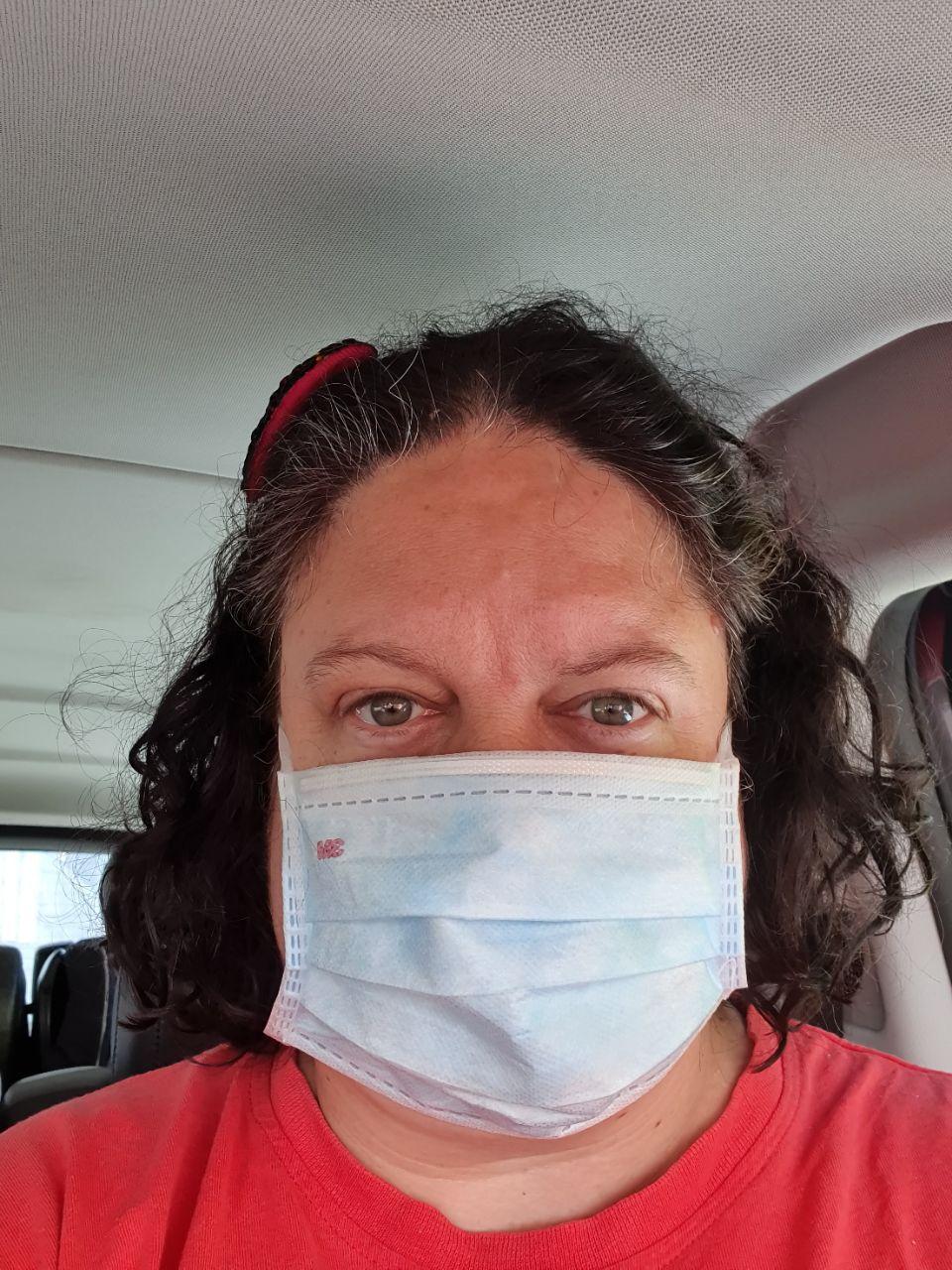
Obviously we’ve been trying to explain what Covid-19 is to the twins, because they needed to understand why they cannot go to school, visit their friends, or go out. My son started crying this morning when I waved a cheery goodbye, convinced I was going to die. I was wearing my (what I thought was compulsory when we go to the grocery store) face mask, and we put clean clothes and sanitiser by the front door for when I got back. The new normal… It took a while to calm him down and tell him people are not dying, they are just sick, and I don’t want the germs to come home with me. I couldn’t remember which side of the face mask goes where, but eventually just put it on, and then realised how hot it gets when worn. So all sweaty-faced (but at least masked) I set out.

Up to when I got to the store, the streets were fairly quiet. At the store, though, it was as if everything was back to normal. Very few people wore masks, and the recommended 1m distance between customers was completely disregarded. Yellow lines at the cash registers served as a distance guide. Although there were people complaining about price hikes online with photos of products and prices, at this store prices seemed pretty normal to me, the only “strange” was that there were complete shelves stripped bare. Especially in the cold meats, frozen veg and baking sections. And the deli section for precooked meals was not operational, and no cold meats sliced on demand. There was no sign of cordoned off aisles with so-called prohibited goods. I got most of what we needed, could not find spaghetti anywhere and apparently yeast is currently worth its weight in gold and as unobtainable as the pot of gold at the end of the rainbow.

Back home, changed clothes at front door, sanitised everything, at my desk trying to work. What will this first full week of lockdown bring? I choose to be positive – we are doing out best, and that is all we can do.

Physical distancing, Social Togetherness #LockDownSA Day 3

Day 3 LockDown

29 March 2020

1187 cases
Recovered: no new figures yet
Deceased: 1(Western Cape) no new figures yet

Started the day cautiously optimistic, with today only 17 cases more than yesterday in our country. Only to read that it is not a true reflection of infection, it is only an indication of the numbers that were ready for reporting.

Everywhere online, businesses are begging for continued support, to keep the payment chain going and prevent economic collapse. To prevent staff layoffs and further unemployment. Further disruption of our lives and our future. Quietly, I echo their pleas and hope for the best, thinking of ways that we can continue existing for the sake of the people who work for us and their families.

There is so much good being written about. Neighbours waving and shouting encouragement to each other across the streets, the 7pm initiative where we all walk out of our front doors and clap for our services sector, our medical personnel, our emergency employees. Every person on the frontline exposing themselves so that we can stay home and be protected. People leaving tinned food out on dustbin or refuse collection day to share.

There is so much negativity on the other hand. Last night was Earth Hour, and we did an encouraging post on most of our clients’ social media platforms. Only to have angry comments in the line of this is the last crap people need. So much anger and frustration and lashing out at something innocent. Also still so much arrogance of the untouchables who still disobey the regulations. To what end, I wonder? Only to make all of this worse for all of us?

Life has become a BEFORE and AFTER. There was a time where I would, without a thought, quickly dash out to the shop to buy whatever we needed, be it for a meal or to fix something around the house or for a project or the office. Now it is a matter of planning around delivery times. And whether what I want to buy is actually on the list of what is allowed. There was a time where, if the kids got antsy, I would drive them to the bike park where I’d sit and read while they practiced cycling. Or we’d go for a picnic at the Botanical Gardens. Or we’d go hang at the mall or at their favourite restaurants. Now I have to think around activities for them that we can do at home. And with items we actually have. Without resorting to too much television time, because I am worried about the consequences.

The world has quieted down. There is no laughter in the streets, no cars driving close to us. I hear that elsewhere in town traffic is not really dwindling, but here in our corner, it is as if we are on an island of quiet. My children are the center of the universe that brings calm to my world. They keep me busy in so many ways that I appreciate, because otherwise my overactive mind goes places where it really doesn’t need to go.

Physical distancing, Social Togetherness #LockDownSA Day 2

Day 2 LockDown

28 March 2020

1170 cases
Recovered: 5
Deceased: 1(Western Cape)


Today started a bit darkly for me. I woke up well ahead of my usual time, and couldn’t see the point of getting up. Day 2, with the number two perfectly representative of how I feel.

Probably the best way to describe my general state of mind is ambivalence. These are challenging times, more so because our expenses are not stopping and we have so many people dependent on us. I am not sure how I feel about any of this. I oscillate between an optimistic and cheery: We’ve got this! to a very dark and pessimistic: We’re going to go under, lose everything and die.

It is hard to not follow the news, because I need to know what is going on so that I can make the correct decisions for my business and assist our clients. For instance yesterday government issued a gazette that boils down to every website with a domain name that ends in .za – from government portals to private blogs – must now link to the government’s main Covid-19 page on its front page. No indication on when compliance deadline is, just get it done.

Online is a bad place to be right now. There are articles about thousands of people in various areas of our country not complying. People are happily cycling, jogging, travelling, visiting, going to the beach… as if this is business as usual. Our armed forces and the police have their hands full to get people to just do the one simple thing asked of us: stay home. On the other hand there are photos and footage of streets in major cities without a single car or person in sight.

This morning I woke up to three pieces of very bad news: EdCon may have to close its doors after lockdown (Edgars, etc – all those people, without jobs), Moody’s downgraded our status as a country to junk, and our connectivity is an issue again. We have so many challenges are business owners right now, just to stay alive and kicking. It breaks my heart that so many of us are doing what we are supposed to be doing: staying put. Our businesses are hanging on by threads and we do what we can. We all want lockdown to be over and as many people as possible to be safe. Yet the sheer arrogance of a sector of our population is going to worsen everything before it gets better, and lockdown may very well be extended.

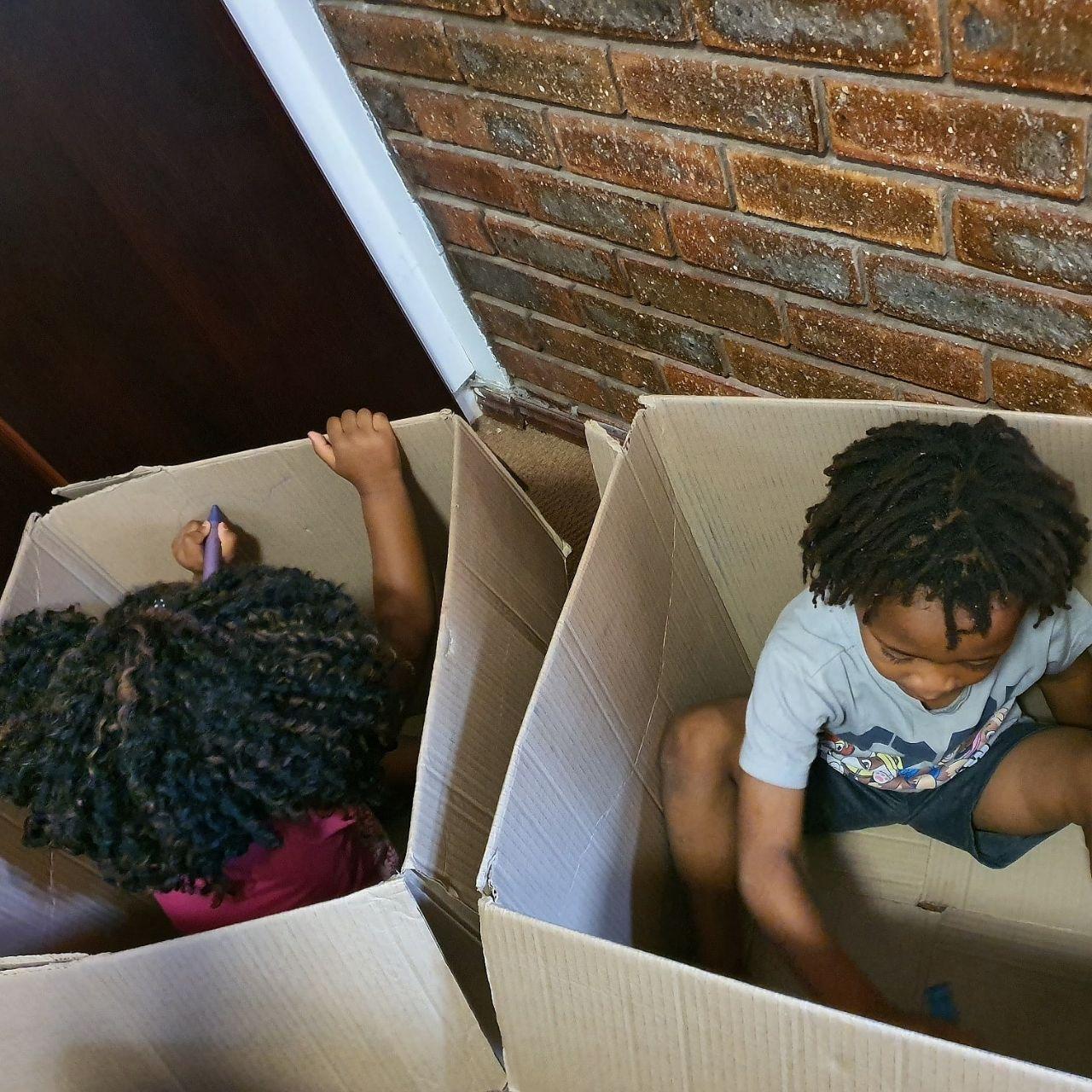
At home, my toddler twins are climbing out the walls. They’ve not known so many days indoors in their entire little lives. I’ve always made a point of outdoor activities, and spoils and picnics and roadtrips. They want to see their friends. My daughter wants to do ballet, it is all she’s been talking about for two days now. My son wants to play soccer and go cycle. After they decided to vandalise the neighbours backyard yesterday, I am reluctant to let them outside without supervision, and I have to work most of the day, so their outdoor time is shrinking. What memories will they live with because of these times?

The new norm is to wake up in the morning, kick my own behind just to get started. Sort out the twins, get to my desk, get my work done. Stay positive. Freak out on my own, so nobody sees it. Calm down our housekeeper, who moved in with us because she felt unsafe in Thembalethu, and frankly, because it is the right thing to do. Cook/bake something from scratch for our little household. Make/craft something with the twins. Check our provisions, order the necessary online. Put on mask, gloves, sanitise card machine, pay. Come back inside, wipe down groceries, pack away. Try not to incessantly stress eat all. the. time. We are going to be fine.

Physical distancing, Social Togetherness #LockDownSA Day 1

Day 1 LockDown

27 March 2020

927 cases (218 new confirmed cases) from stats of 26 March (no new final stats yet)
Recovered: 5
Deceased: 1 (Western Cape)

Woke up this morning with a heavy queasiness in my stomach, threatening to spill over into my mouth. That feeling you get when you are writing your finals at university, but you opted to stay out with your friends the night before because “you’ve got this” and now you realise that, in fact, you don’t.

Are we physically prepared for lockdown? Who knows – I hope so. We have a secure home. We have food, but not all we need – I went out to buy some staples yesterday because I didn’t want to stockpile, thinking of all the thousands of other people who also need to shop. But the shelves were glaringly empty, with a sad limp lettuce in the one corner at the bottom in a crate, and fluorescent lights highlighting the lack. We are lucky, I can try online for some eggs, milk, yoghurt, fresh vegetables.

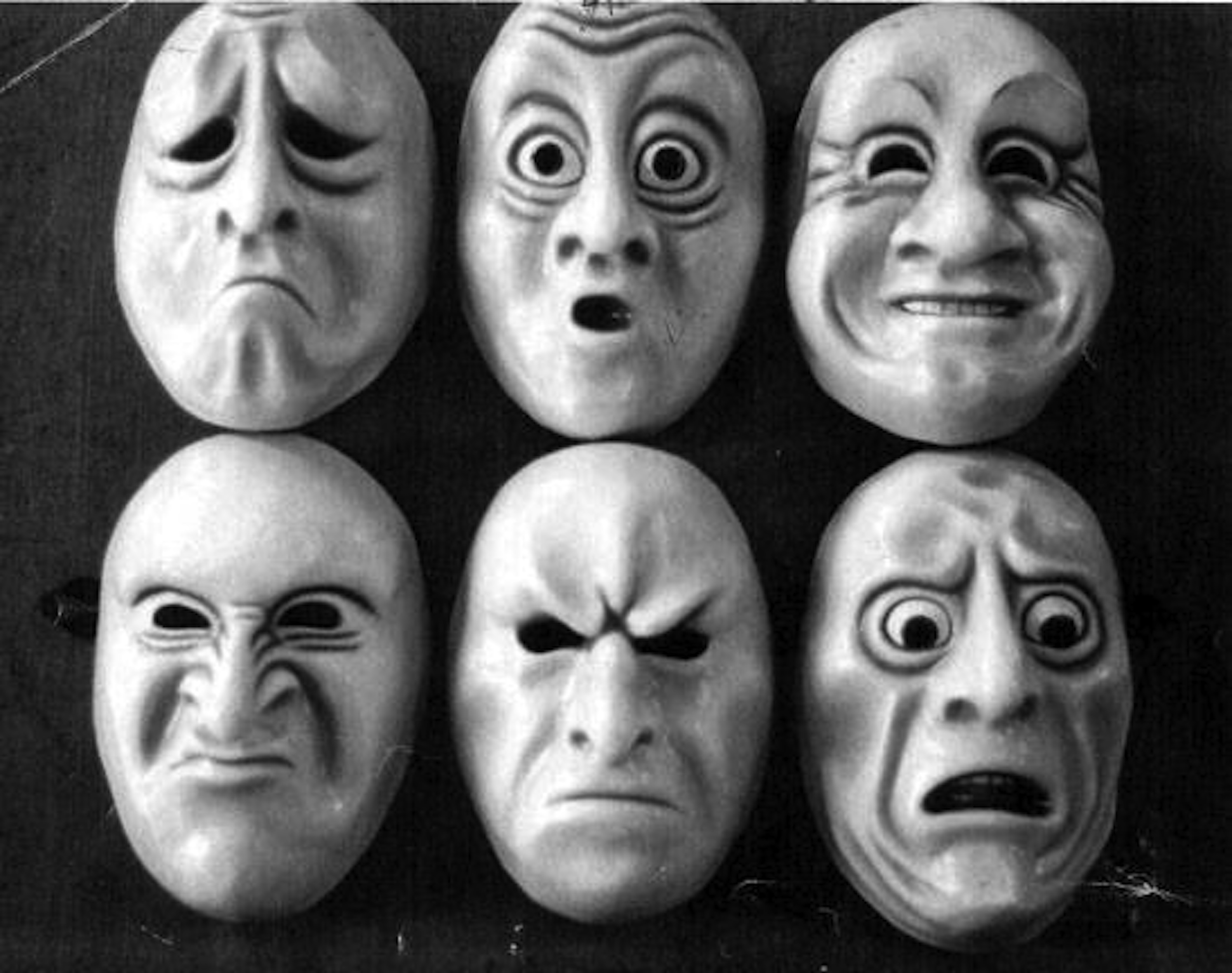
Am I mentally prepared for lockdown? Probably better than most. I have always been a bit of an introvert, and am awkward when having to interact with people for any length of time. But even I am not prepared for all the feelings. Fear, anxiety, insecurity, sadness. I understand most of my emotions, but why this overwhelming sadness with tears sitting just behind my eyes, and a constant conscious effort to not break down crying?

I think it is because my mind keeps on straying to our townships, where the children may not have access to food, the elderly to care. Where 8 – 12 people live in a tin shack with no space to hoard food, even if they did have the money to. With the relentless sun beating down on these roofs, no fences between the houses, nowhere to go. Where people can no longer come out to actually earn their daily bread, because there is nobody to allow them to do it. God knows, I know this is the right thing to do, but I also know the vulnerable will be the first to suffer.

The voices in my head are oscillating between calming me down and freaking me out. The what ifs and the that won’t happens, coupled with the already present anxiety are not helping. Does everyone have this dichotomy between “all will be well”, and “no it won’t be”? I hope so, because otherwise I am already certifiable.

Some of my fears are completely groundless, and irrational. I realise this morning I forgot to bring the printer from the office, and I also don’t have any paper. That means… printing no activities for the twins to do. No printing of worksheets, recipes, or whatever my busy mind can come up with to print. Why is this irrational? We are a digital company and household – I haven’t actually used a printer myself for over two years. My children have more than enough to occupy them. There are children who has nothing during this time.

There is no cake flour in the house to bake if I felt at any point to bake an impromptu cake. Irrational, because I have never in my life baked a cake. I wouldn’t know where to start – I know it has something to do with flour, eggs and oil. Even cookies, the once I tried, were an absolute disaster – my cookie dough was runny and I kept on adding Maizena to get it to thicken up, and what I eventually got were misshapen dinosaur-y shapes that tasted very strange and I couldn’t even get the dogs to eat, let alone the children.

The twins asked to go play outside while I worked at my home office. With a trampoline, a ball pit and a covered swimming pool, I thought it’s a great idea. Some fresh air, a bit of activity, what could go wrong? Minutes later, the neighbours call me – the twins threw trampoline springs over the wall at their bakkie, denting it. I really don’t even know what to say about this. My little boy has a compromised immune system, so their lockdown started 9 days ago. They are bored, frustrated and need attention and stimulation. They know I am working during the day still, even though it is from home, but they don’t understand why our restaurant treats, road trips, walks and cycling has stopped. Four years old, so little and innocent still. I wish I could just protect them more.

I accessed my social media feeds this morning to get a gauge on the general mood, and right away knew it was a mistake. The public outcry online is so loud that it drowns out my small flame of positivity with a tsunamic wave of negative energy. There is SO. MUCH. ENTITLEMENT. Who are these people? Don’t they understand? There is arrogance, belittling, anger and a general dismissive attitude from a large number of people that makes me realise we are not all accepting of what is the right thing to do. And my fear is the sheer ignorance (sorry, there really is no other word) of these people is going to make it worse for all of us. Someone said it perfectly: We are fighting two pandemics at the same time; Covid-19 and Stupidity.

Unbelievably, there are apparently people who are letting their gardeners come to work (apparently this is acceptable because they use their own bicycles for transport). Although there was a clear directive against jogging, some are pounding the streets, attired in their sweats and running shoes, because the rules don’t apply to them. I watched youtube footage of police loading transgressors into their vans who were drinking at shebeens/taverns/pubs in Hillbrow last night.

My people, three weeks is a blink of an eye in the bigger scheme of things. This is hard, it is already hard. And it is harder on so many more people than we can imagine. But by not obeying the rules, we will not flatten the curve, and this will carry on longer, with more losses, than it needs to.